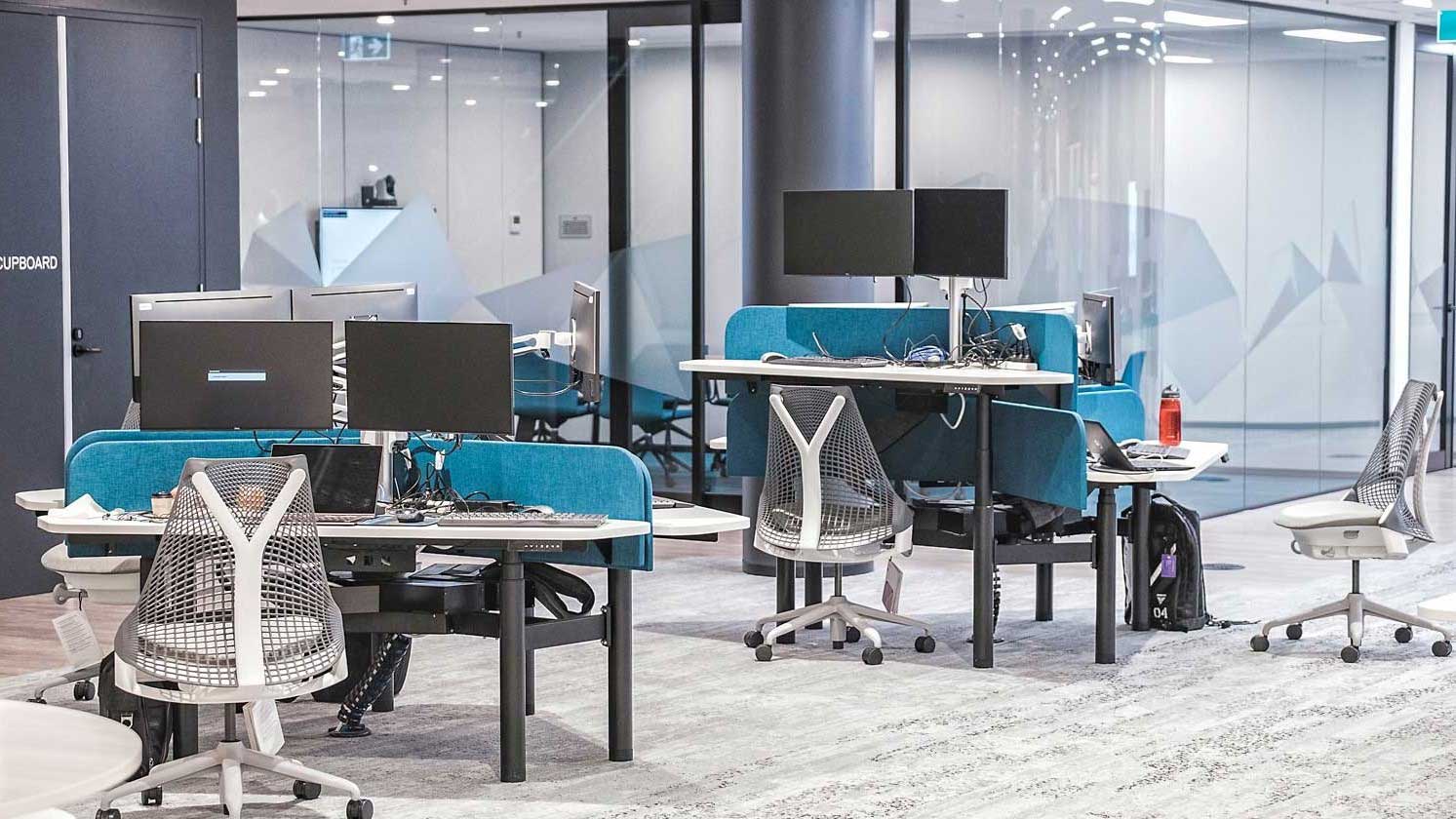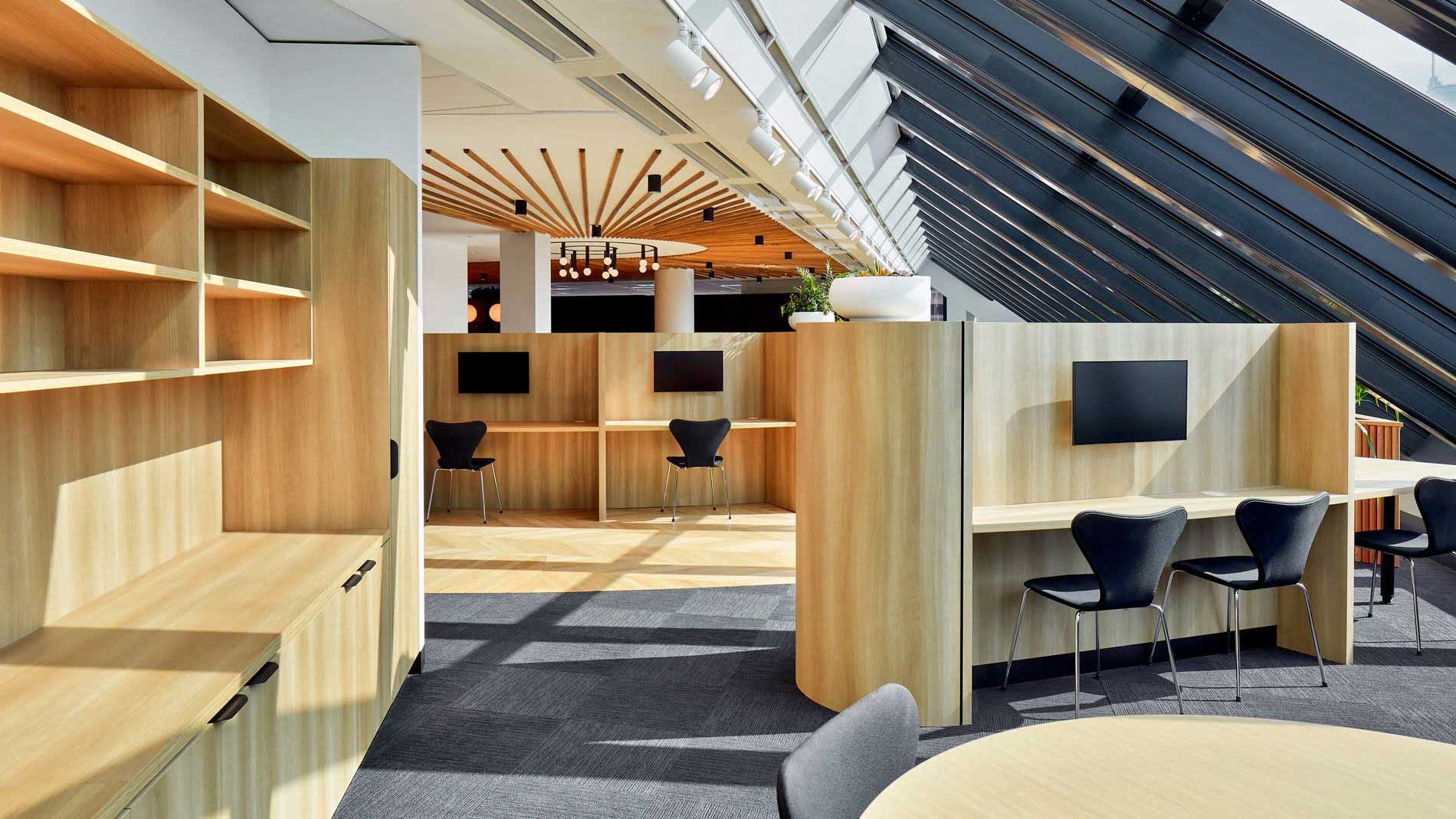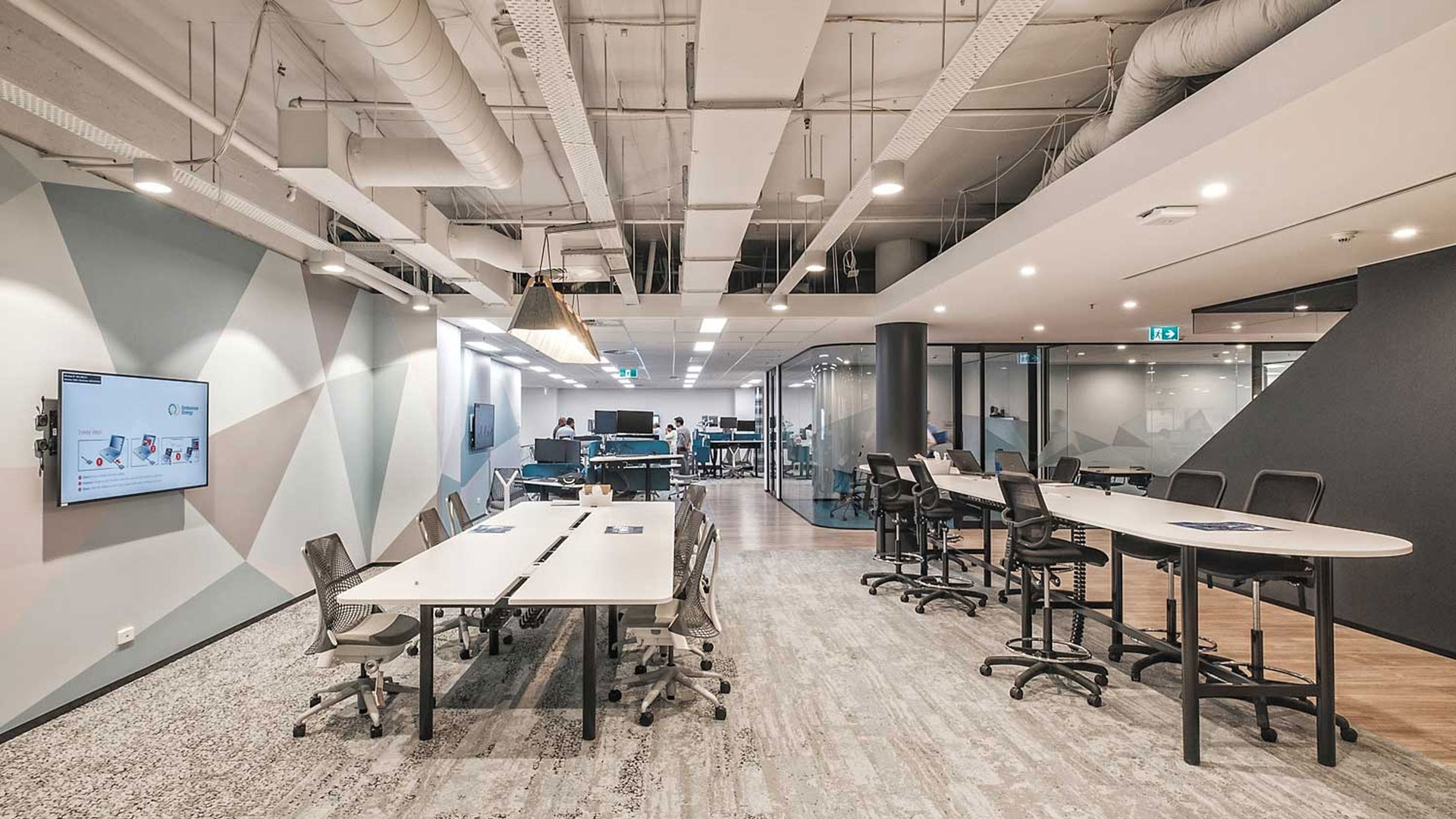


When people think about brand identity, they often picture logos, colour palettes and marketing campaigns. But brand identity goes far beyond visual graphics and advertising. In the modern workplace, the physical environment tells a story about the business and what it stands for.
Office design is part of that story. From the moment someone walks through the door, the way the space is designed influences how they feel about the brand. Furniture is one of the most visible and tactile elements of the workplace. It reflects values, culture and personality in a way that marketing materials cannot achieve alone.
Forward-thinking organisations now recognise the role of brand identity office design in shaping not only employee experiences but also how clients, partners and visitors perceive the business.
First impressions form quickly, and the physical environment is often the first signal people receive about your brand. A reception area with inviting seating, thoughtful lighting and a cohesive colour scheme communicates professionalism and care.
Inside the workplace, furniture choices influence how people interact, collaborate and focus. For example:
Furniture choices also send messages internally. Employees see the investment in their comfort and wellbeing, which can strengthen pride in the organisation and connection to its culture.
Office furniture is more than functional. Every colour, material, and shape has an impact on how the space feels and what it communicates about the organisation.
When these elements align with brand strategy, furniture becomes part of the storytelling, reinforcing values and vision in subtle but powerful ways.
Creating a workplace where furniture reflects brand identity requires planning and a clear understanding of the organisation’s values. Here are some practical steps to guide the process:
While branding often focuses on how outsiders view the company, employees spend the most time in the space. A workplace that reflects brand values through furniture and design can strengthen employee engagement and satisfaction.
Comfortable, thoughtfully designed environments support wellbeing and productivity. When employees see the organisation investing in quality furniture that aligns with its values, it builds trust and reinforces the company culture. A creative business using vibrant colours and flexible furniture shows employees that innovation is encouraged. A company focused on sustainability that chooses eco-friendly materials demonstrates that its values are lived, not just spoken.
Every element of workplace design is an opportunity to communicate brand identity. Furniture serves as both a functional necessity and a visual representation of organisational priorities.
The key is consistency. When furniture choices align with marketing messages, company values and employee experiences, the brand story becomes cohesive and authentic.
Designing a workspace that embodies brand identity involves more than selecting attractive furniture. It requires understanding spatial planning, workflow and how different pieces work together to create a seamless experience.
Professional designers and office furniture specialists bring expertise in balancing brand storytelling with practical considerations like durability, ergonomics and cost-efficiency. Their experience ensures the final result is both visually aligned with the brand and functional for day-to-day operations.
Office furniture plays a central role in shaping brand identity. It influences first impressions, employee experiences, and the way company values are expressed in physical space. By carefully selecting furniture that reflects organisational priorities, businesses can create environments that look, feel and function in harmony with their brand strategy.
At RJ Office, we help businesses create workspaces where furniture design and brand identity work together seamlessly. Whether you are refreshing a single area or planning a full office fit-out, our team can guide you from concept to completion.
Experience our solutions at our Sydney showroom or contact us today to discuss your next project.