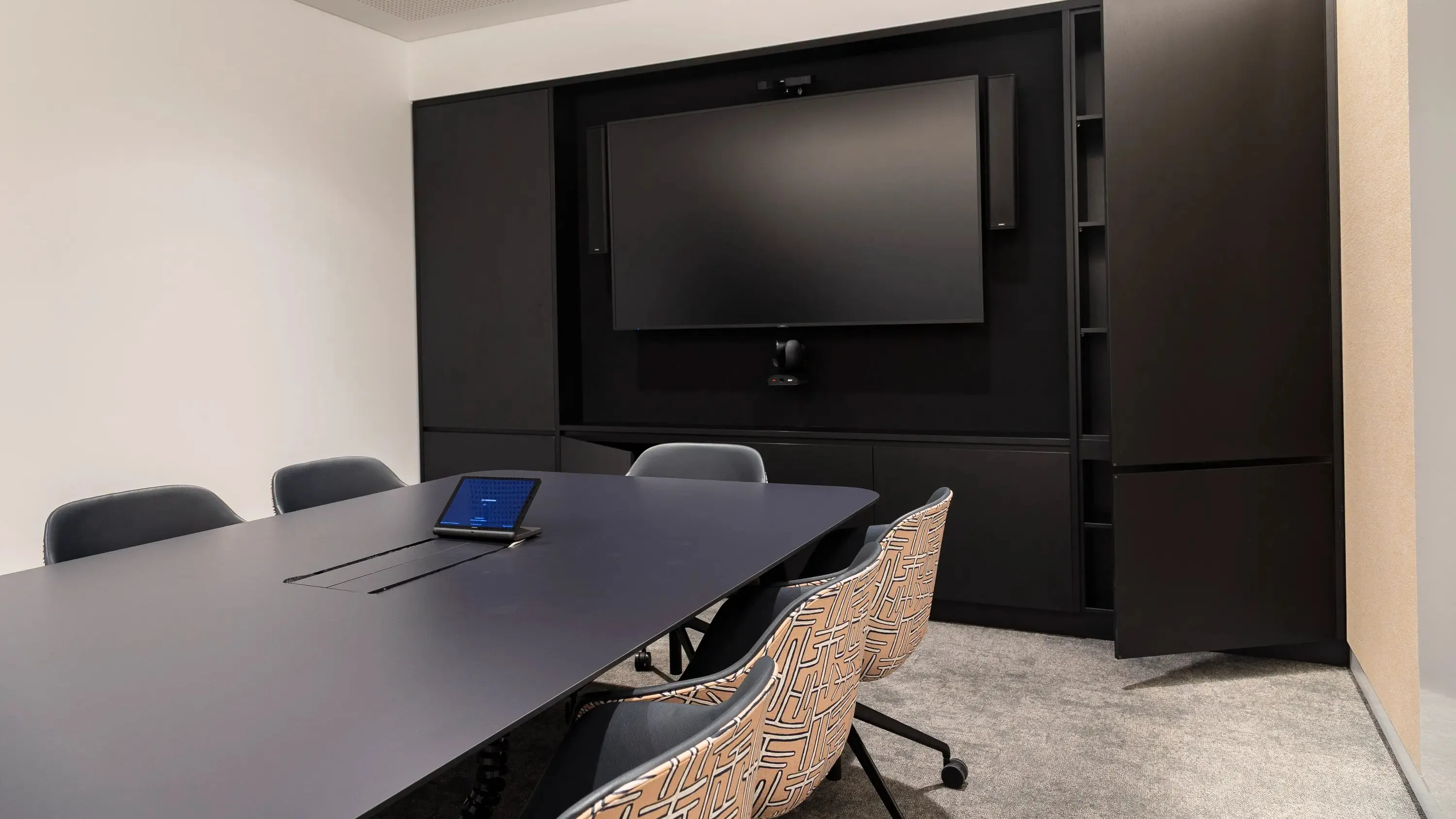

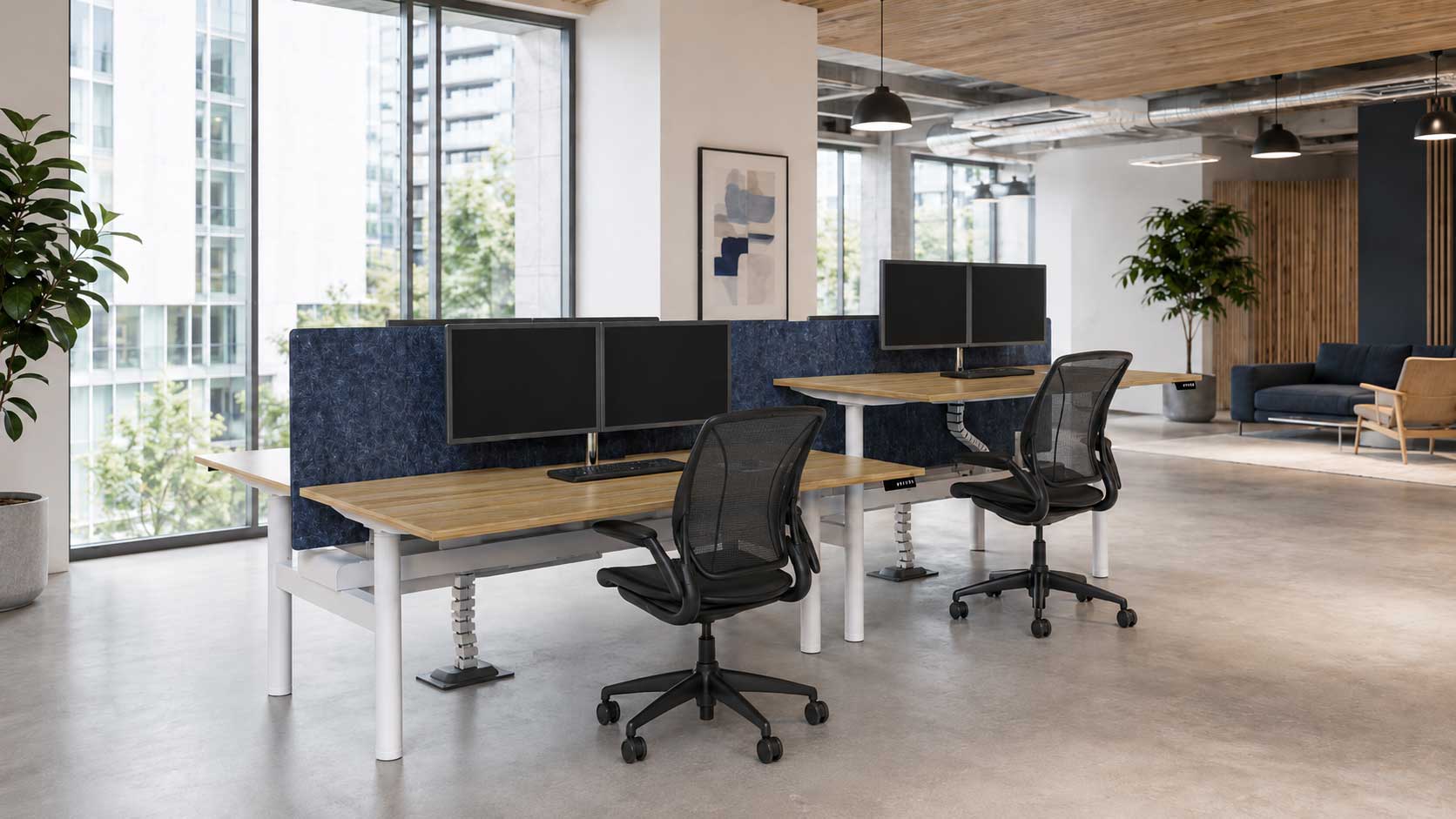
Commercial office furniture is designed for daily use in workplace environments, while residential furniture is designed for private homes and lower-use settings.
The difference is not only appearance. Commercial furniture is typically built for higher traffic, longer use, stronger durability, workplace safety requirements, ergonomic performance, warranty support and professional installation.
For businesses planning an office fitout, workplace upgrade or relocation, choosing the right type of furniture can affect comfort, compliance, maintenance, longevity and total cost over time.
This guide explains the key differences between commercial office furniture and residential furniture, and when each type may or may not be suitable.
Commercial office furniture is furniture designed for professional workplace environments.
It is typically used in:
Commercial furniture is built with higher usage in mind. It needs to support multiple users, daily movement, workplace safety requirements and long-term performance.
Common examples include:
In a workplace, furniture is not only decorative. It affects how people work, move, collaborate and interact with the space.
Residential furniture is designed for homes and personal living spaces.
It is typically used in:
Residential furniture is often designed around comfort, style and domestic use. It may perform well in a home environment, but it is not always suitable for commercial use.
Common examples include:
Residential furniture may be used by one person or a small household. In contrast, commercial furniture may be used by many people throughout the day, every day.
That difference in usage has a major impact on design, materials, durability and warranty.
| Category | Commercial office furniture | Residential furniture |
|---|---|---|
| Intended use | Workplaces, offices and high-use environments | Homes and private spaces |
| Usage level | Daily use by multiple people | Lower-use domestic settings |
| Durability | Built for commercial traffic and longer life cycles | Built for household use |
| Warranty | Often longer and designed for commercial use | Often limited or voided in commercial settings |
| Ergonomics | Designed to support work tasks and extended use | May prioritise style or comfort over work performance |
| Compliance | May include commercial safety, load and fire considerations | Usually not designed for workplace compliance requirements |
| Installation | Often professionally delivered and installed | Usually delivered flat-packed or for simple home assembly |
| Flexibility | Often modular, reconfigurable or scalable | Usually fixed-format |
| Lifecycle cost | Higher upfront cost but often lower over time | Lower upfront cost but may require earlier replacement |
| Best suited for | Offices, fitouts, shared spaces and long-term commercial use | Homes, low-use settings and decorative applications |
The difference between commercial and residential furniture becomes more important once furniture is used in a workplace.
In a home, a chair may be used by one person for a few hours each day.
In an office, the same chair may be used for long periods, adjusted repeatedly, moved between rooms and used by multiple people across the week.
That changes the requirements.
Workplace furniture needs to account for:
When residential furniture is used in a commercial environment, it may wear faster, become less comfortable over time or fail to meet the practical requirements of the workplace.
Durability is one of the biggest differences between commercial office furniture and residential furniture.
Commercial furniture is typically designed for heavier use. This may include stronger frames, more durable surfaces, better hardware, higher-grade mechanisms and materials selected for repeated use.
For example, commercial workstations and meeting tables are often designed to handle:
Commercial task chairs may include:
Residential furniture may still be well made, but it is usually not designed for the same level of repeated use.
A domestic dining chair may look suitable in a meeting room, but it may not be designed for daily use by dozens of people. A home office desk may work for one person, but it may not support a full workplace setup, cable management, monitor arms or commercial installation requirements.
Warranty is another important difference.
Many residential furniture warranties are designed for domestic use only. If the furniture is placed in an office, reception area or commercial workplace, the warranty may not apply.
This matters because commercial environments create different levels of use and wear.
Before selecting furniture for a workplace, check:
Commercial furniture often carries warranty terms that reflect workplace use. That does not mean every product is equal, but it gives businesses a more appropriate level of protection.
A cheaper product can become expensive if it needs to be replaced early and is not covered under warranty.
Commercial office furniture is often designed around how people work.
This is especially important for:
An ergonomic workstation usually needs the right combination of desk height, chair support, screen positioning, reach, movement and adjustability.
Commercial task chairs may include features such as:
Residential chairs may be comfortable for shorter periods, but they are not always suitable for all-day work.
The same applies to desks. A home desk may not provide suitable depth, cable access, monitor support or adjustability for a commercial workstation.
In a workplace, furniture needs to support comfort and productivity across many users, not just suit one person’s preferences.
Commercial workplaces need to consider safety and compliance more carefully than residential spaces.
Depending on the product and environment, commercial furniture may need to account for:
For example, a large meeting table may need to support integrated power and cable access. A monitor arm needs to safely hold the weight and size of the screen. A storage unit needs to remain stable and suitable for workplace use.
Residential furniture may not come with the same documentation, testing or suitability for these environments.
This does not mean every workplace furniture decision is complex. It means furniture used in a commercial setting should be selected with workplace risk in mind.
Commercial and residential furniture often use different materials, finishes and construction standards.
Commercial furniture is commonly designed for:
Residential furniture may use materials that look good in a home but are less suitable for heavy workplace use.
For example:
In commercial environments, finishes need to suit both the visual brief and the practical use of the space.
The best choice is not always the hardest or heaviest material. It is the material that suits the environment, usage and maintenance expectations.
Commercial furniture is often part of a broader fitout or workplace project.
That means delivery and installation need to be coordinated with:
Residential furniture is usually delivered for simpler domestic setup. It may be flat-packed, assembled on site or delivered as a finished item.
Commercial furniture installation may involve:
This matters because poor installation can affect both appearance and performance.
A commercial workstation system may be well designed, but if it is not installed correctly, the outcome can still be poor.
Commercial workplaces change over time.
Teams grow. Departments move. Hybrid work patterns change. Meeting room requirements shift. Businesses relocate.
Commercial furniture is often designed with this in mind.
Examples include:
Residential furniture is usually less flexible.
A domestic table, cabinet or sofa may be a standalone item. It may not be easy to expand, match, reconfigure or integrate into a broader workplace system later.
For a business, flexibility can reduce future replacement costs and make changes easier to manage.
Residential furniture often has a lower upfront cost.
That can make it attractive during early budgeting.
However, upfront price is only one part of the cost.
The full lifecycle cost includes:
If residential furniture fails earlier in a commercial environment, the business may need to replace it sooner. That can result in additional procurement, installation and disruption costs.
Commercial furniture may cost more at the beginning, but it is often designed to last longer, perform better and remain supportable over time.
For workplaces, the better question is not always:
Which option is cheaper today?
The better question is:
Which option will perform properly for the full period we need it?
Residential furniture can look attractive, and in some cases it may help create a softer or more hospitality-inspired workplace feel.
However, commercial furniture also offers a wide range of finishes, fabrics, materials and design styles.
The difference is that commercial products are usually designed to balance appearance with performance.
A workplace may need to feel warm, welcoming and contemporary, but it also needs furniture that can handle daily use.
This is especially important in:
Furniture shapes the way visitors and staff experience the workplace. It should support the design intent without creating practical problems later.
Residential furniture is not always unsuitable.
There may be some cases where residential-style furniture can work, especially in low-use or decorative settings.
For example:
Even then, it is important to consider durability, warranty and maintenance.
Residential furniture becomes riskier when it is used in high-use commercial settings such as meeting rooms, reception areas, shared workstations or waiting spaces.
If the furniture will be used by staff, clients or visitors every day, commercial-grade furniture is usually the safer choice.
Commercial furniture should be used where performance, safety, durability or warranty matters.
This includes:
Commercial furniture is especially important where the furniture is used by multiple people, supports technology, needs to be installed professionally or must last across a lease period.
It is also important where a business needs consistency across multiple spaces, teams or future projects.
Before using any furniture in a commercial office, ask the following questions.
Is it designed for commercial use? Check whether the product is rated or warranted for commercial environments.
How often will it be used? A chair used once a week has different requirements from a chair used all day by multiple people.
Who will use it? Consider staff, clients, visitors, contractors and shared users.
What is the warranty? Confirm whether the warranty applies to workplace use.
Can it be repaired or replaced? Check whether parts, finishes or matching products will be available later.
Does it support the task? A product may look suitable but still fail to support the way people need to work.
Is it easy to clean and maintain? Commercial furniture should suit daily use and cleaning requirements.
Can it be installed safely? Furniture used in workplaces may need professional delivery, assembly or fixing.
Will it still make sense in three to five years? Consider growth, reconfiguration, relocation and long-term value.
Many businesses only compare the upfront price.
That can lead to poor decisions.
Common mistakes include:
The right furniture decision should account for daily use, risk, lifespan and the total cost of ownership.
Use this checklist when deciding whether furniture is suitable for a commercial workplace.
If the answer to several of these questions is unclear, the product may not be the right choice for a commercial environment.
Residential furniture can be used in some low-use or decorative office areas, but it is usually not suitable for high-use workplace settings. Workstations, task chairs, meeting rooms, reception areas and shared spaces generally require commercial-grade furniture.
The main difference is intended use. Commercial furniture is designed for workplaces, higher traffic, multiple users, stronger durability and commercial warranty requirements. Residential furniture is designed for private home use.
Commercial office furniture often has a higher upfront cost, but it may provide better value over time because it is designed for longer use, higher durability, warranty support and workplace performance.
Warranty matters because many residential furniture warranties do not apply in commercial environments. If furniture is used in a workplace and fails, the business may not be covered unless the product is designed and warranted for commercial use.
Residential furniture is usually not ideal for meeting rooms that are used frequently. Meeting room furniture should support repeated use, suitable seating comfort, technology integration, cleaning, durability and commercial warranty requirements.
Commercial furniture is usually better for workplace environments, but the right choice depends on the use case. A low-use decorative item may not need the same level of commercial performance as a workstation, task chair or reception chair.
Businesses should look for commercial suitability, durability, ergonomic performance, warranty, maintenance requirements, installation support, flexibility and lifecycle value.
Commercial office furniture and residential furniture are designed for different environments.
Residential furniture may work well in a home, but commercial workplaces place greater demands on furniture through daily use, multiple users, maintenance, compliance expectations and long-term performance.
For businesses planning a fitout or workplace upgrade, furniture should be selected for how the space will actually be used.
The right choice is not simply the product that looks best on day one. It is the product that continues to support the workplace over time.
RJ Office helps organisations plan their commercial furniture requirements, then supplies and installs workplace furniture for office fitouts, relocations and upgrades.
If you are reviewing furniture options for a commercial environment, our team can help assess what is suitable for the space, how it will be used and what will provide better long-term value.