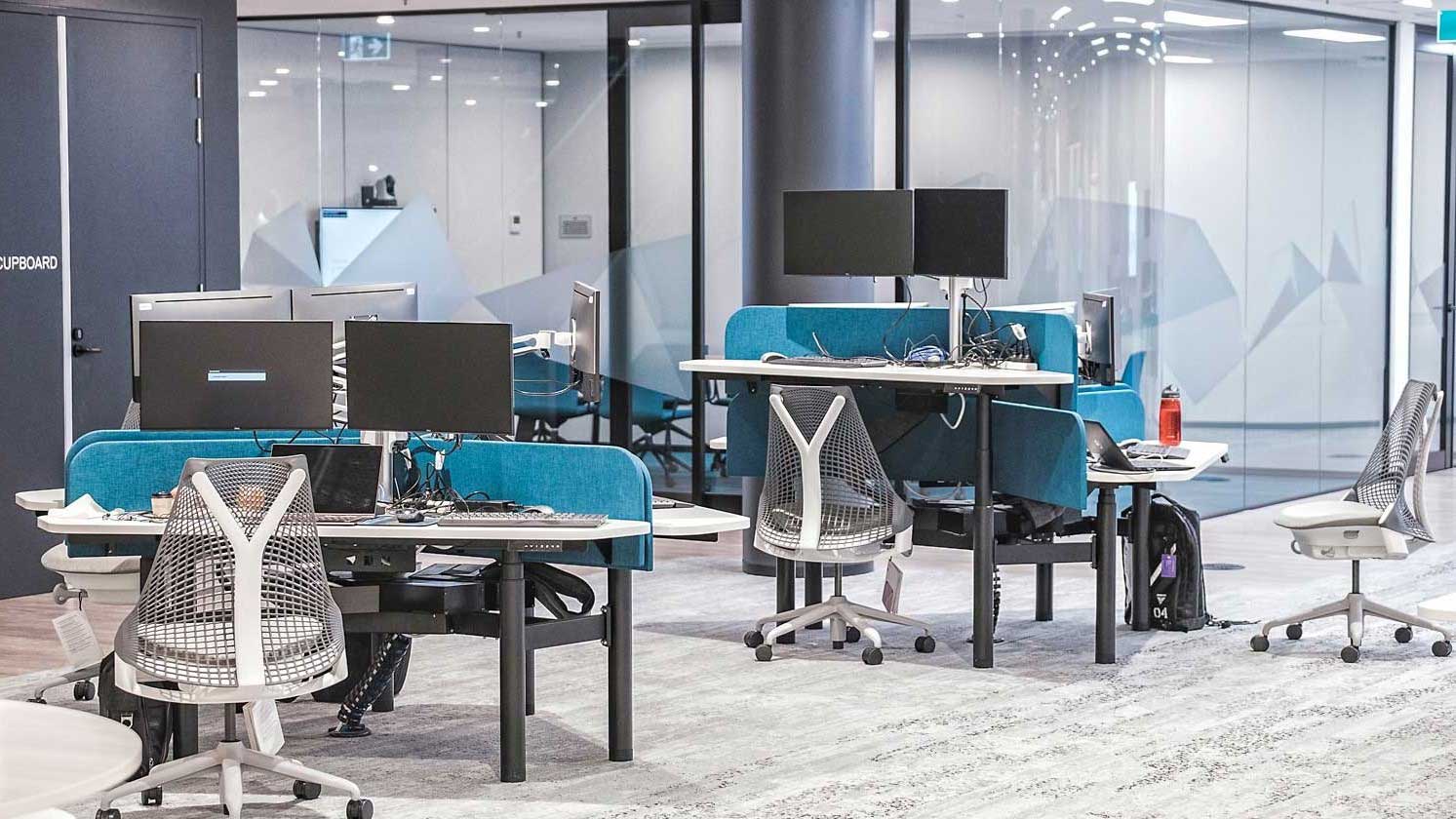


The modern workplace is changing. Remote and hybrid working have altered the role of the office, shifting it from a place of routine tasks to a hub for collaboration, culture and connection.
As a result, businesses are rethinking how offices look and feel. The traditional corporate environment, with rows of desks and closed-off meeting rooms, is being replaced by spaces that take inspiration from hotels, cafés and hospitality venues.
This trend, known as hospitality workplace design, creates workplaces that feel welcoming, comfortable and people-centred. Instead of sterile or purely functional spaces, employees and visitors experience environments designed to encourage collaboration, wellbeing and social interaction.
Furniture is central to this transformation. A hospitality-inspired office relies on versatile pieces that can adapt to different uses throughout the day. For example:
The result is an office that feels less rigid and more like a place people want to spend time in. Furniture becomes a tool for shaping experiences, promoting movement and supporting different ways of working.
Hospitality-inspired workplaces borrow design cues from hotels, restaurants and lounges to create a more inviting atmosphere. Some of the most common elements include:
Comfortable chairs, sofas and booth seating replace the traditional rows of desks. These areas encourage informal discussions, brainstorming sessions or quiet focus away from the main workspace.
Café-style breakout zones or kitchen hubs bring people together over coffee or lunch, strengthening relationships and company culture.
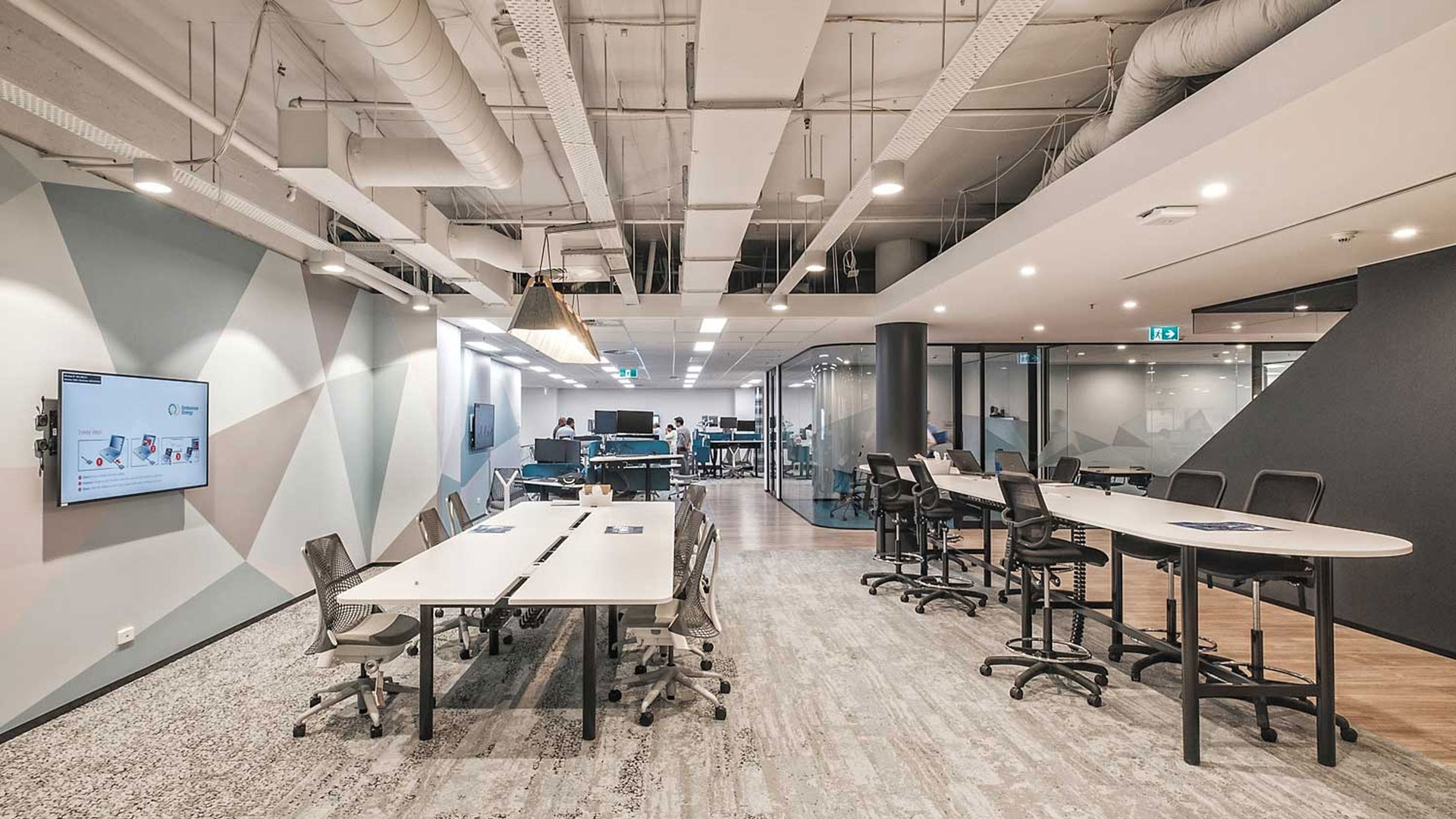
Movable partitions, modular furniture and technology-enabled rooms allow teams to adapt spaces quickly for different purposes, from presentations to small group meetings.
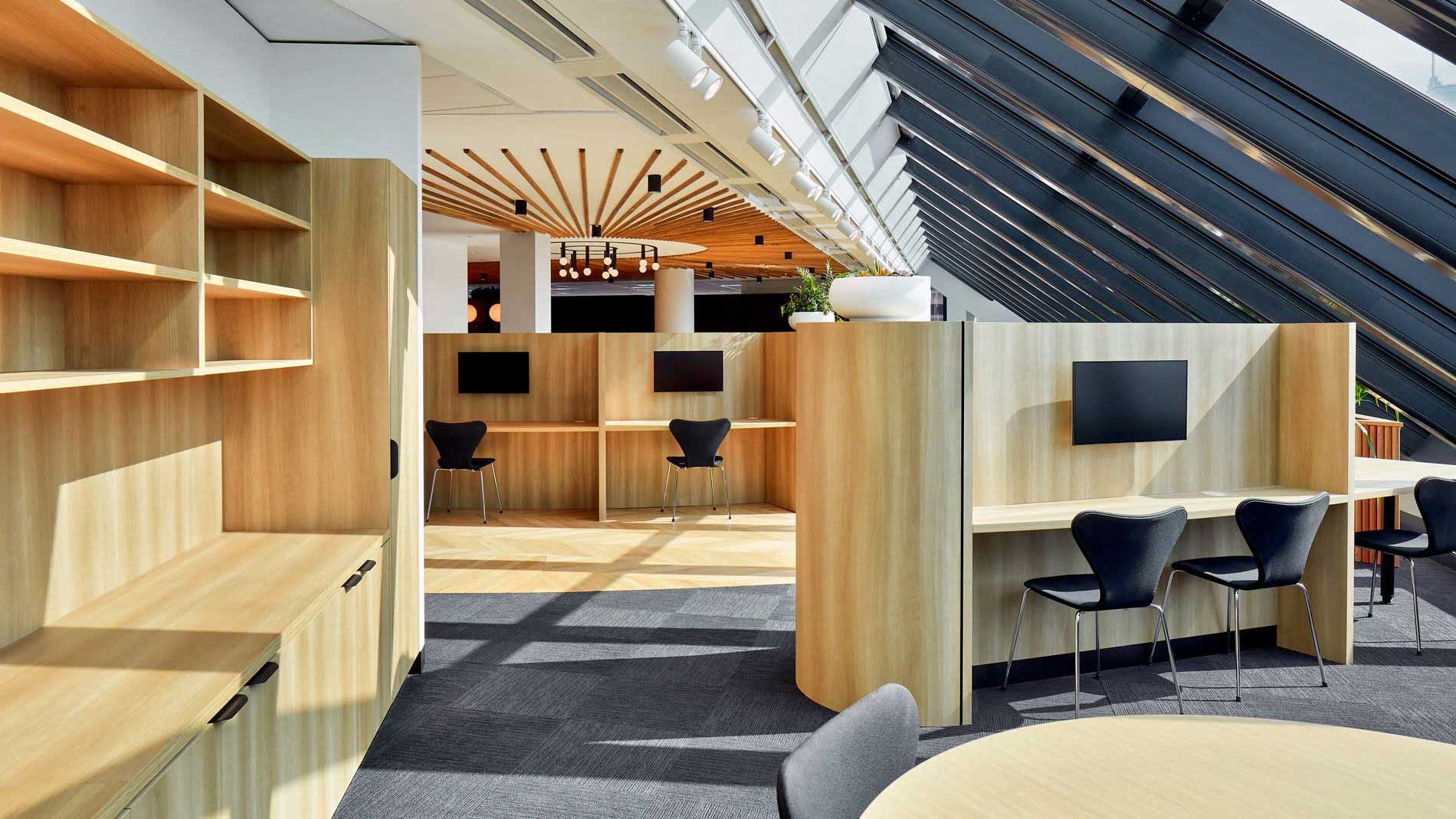
Timber accents, soft textiles and natural colours create a sense of warmth often missing from older office designs. These choices contribute to a relaxed, comfortable atmosphere.
Hospitality-inspired offices seamlessly blend comfort with function. Power points, wireless charging and audio-visual equipment ensure that spaces remain practical while maintaining a welcoming aesthetic.
Hospitality workplace design is not just about appearances. It also delivers measurable benefits for employees and businesses:
By focusing on the employee experience, businesses create offices that support both organisational goals and individual needs.
Organisations do not need to rebuild their offices to embrace hotel-inspired offices. Small changes can have a big impact:
Starting with a few key spaces allows businesses to test what works before rolling out hospitality elements across the entire workplace.
Designing a hospitality-inspired workplace involves more than selecting attractive furniture. It requires a clear strategy that balances comfort, functionality and brand identity.
Professional designers and furniture specialists can help businesses:
Working with experts ensures the final result is cohesive, practical and future-proof.
The rise of hospitality workplace design marks a shift towards offices that prioritise experience as much as efficiency. By borrowing ideas from hotels, cafés and lounges, businesses create spaces where employees want to work and visitors feel welcome.
Furniture plays a central role in this transformation, offering flexibility, comfort and style in equal measure. Whether through soft seating, communal areas or modular layouts, hospitality-inspired offices represent the future of workplace design.
At RJ Office, we help businesses create modern workplaces that combine functionality with hospitality-inspired design. From furniture selection to complete office fit-outs, our team can help bring your vision to life.
Experience our solutions at our Sydney showroom or contact us today to discuss your next project.