

Planning an office fitout? Make sure your furniture choices don’t undo all your hard work.
From budget blowouts to unhappy staff, the wrong call on a desk, chair or table can have a big ripple effect. At RJ Office, we’ve worked with hundreds of design teams, project managers and business owners across Sydney, and we’ve seen what works and what doesn’t.
Here are the most common commercial furniture mistakes we come across, and how to avoid them.
It’s tempting to fall in love with a product and try to design around it. But if the floorplan changes, and it usually does, you can end up with the wrong sizes, shapes or quantities.
Tip: Finalise your space planning first. Then select furniture that aligns with the final workstation layout, clearances and team requirements.
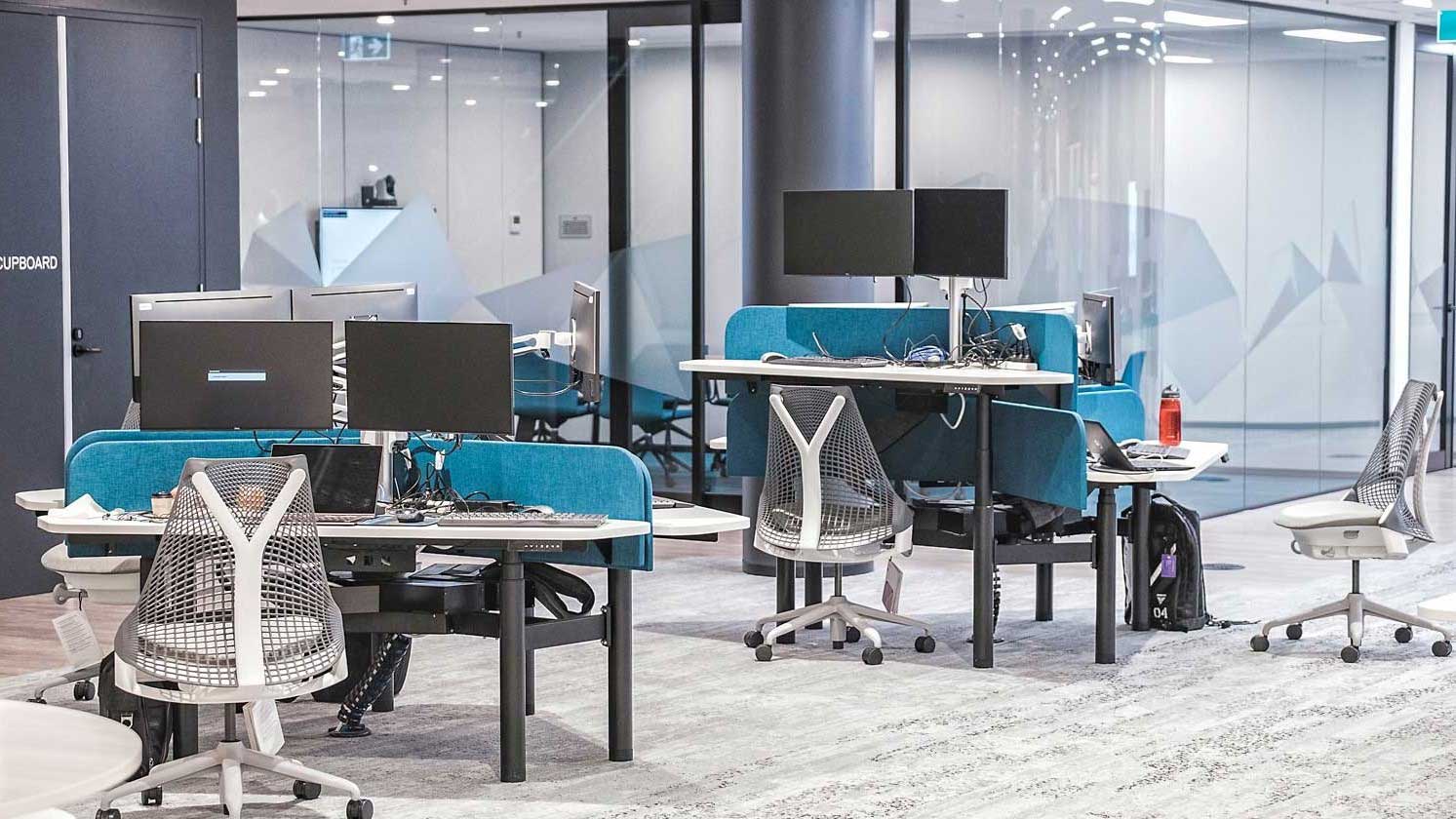
Furniture isn’t just furniture anymore. Nearly every workstation, table and booth needs integrated power, USB, or data access.
Mistake: Specifying desks without thinking about where power will be delivered, especially in open-plan layouts.
Fix: Make power and data part of the furniture brief, not an afterthought.
That designer chair might look great in renders, but if it doesn’t support long hours of seated work, your team will notice.
Tip: Choose task chairs that meet ergonomic standards and are tested for commercial use. Then match them with soft seating and breakout options that deliver comfort and character.
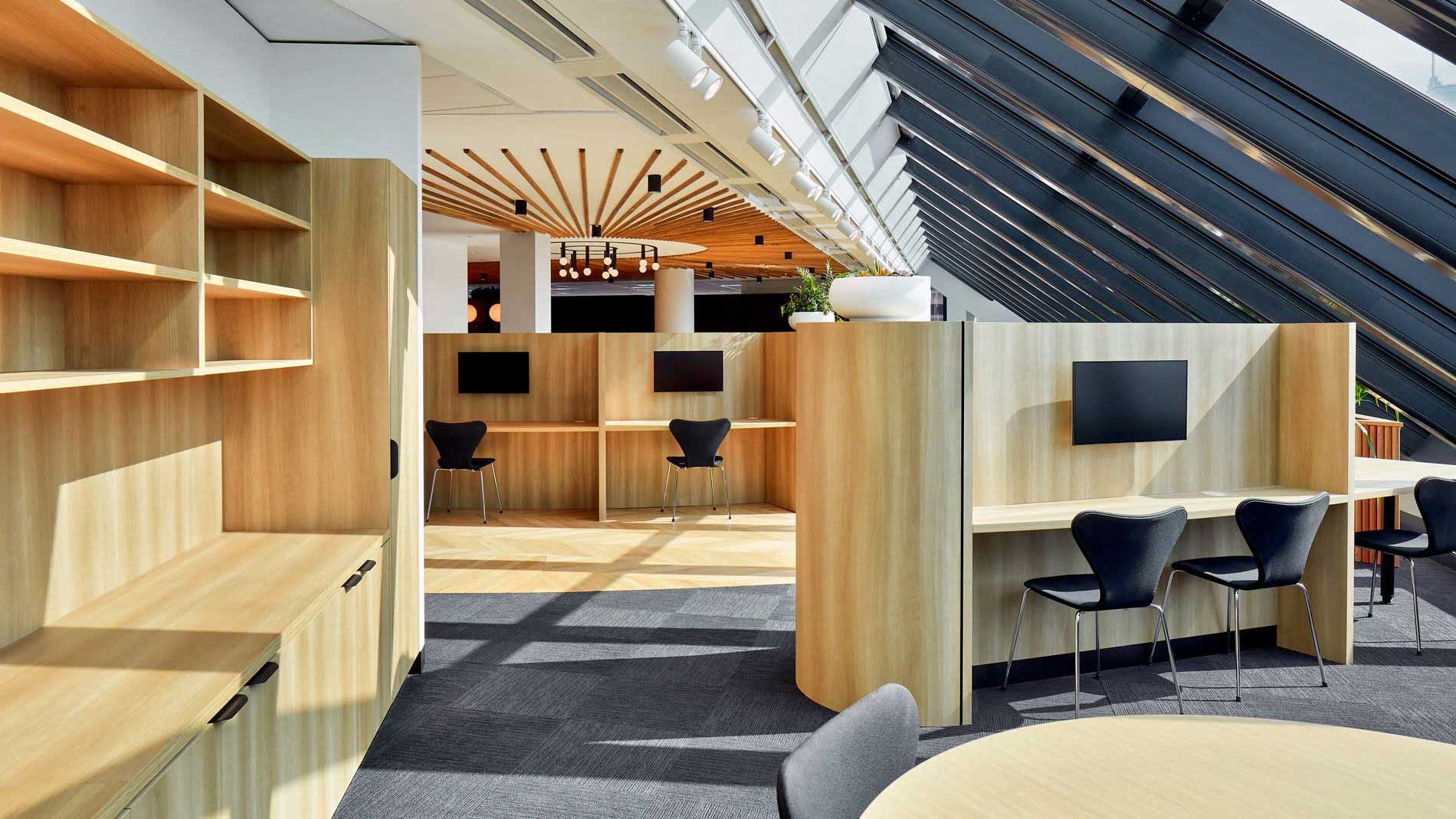
Open-plan offices amplify sound. Hard surfaces, minimal partitions and no soft furnishings can make things worse.
Common error: Not factoring in acoustic panels, fabric booths or zoning elements that absorb or block noise.
Solution: Use furniture strategically to define spaces and support acoustic performance, especially in shared areas.
Fitouts often reflect today’s headcount, not tomorrow’s. But squeezing in extra desks later usually creates layout problems.
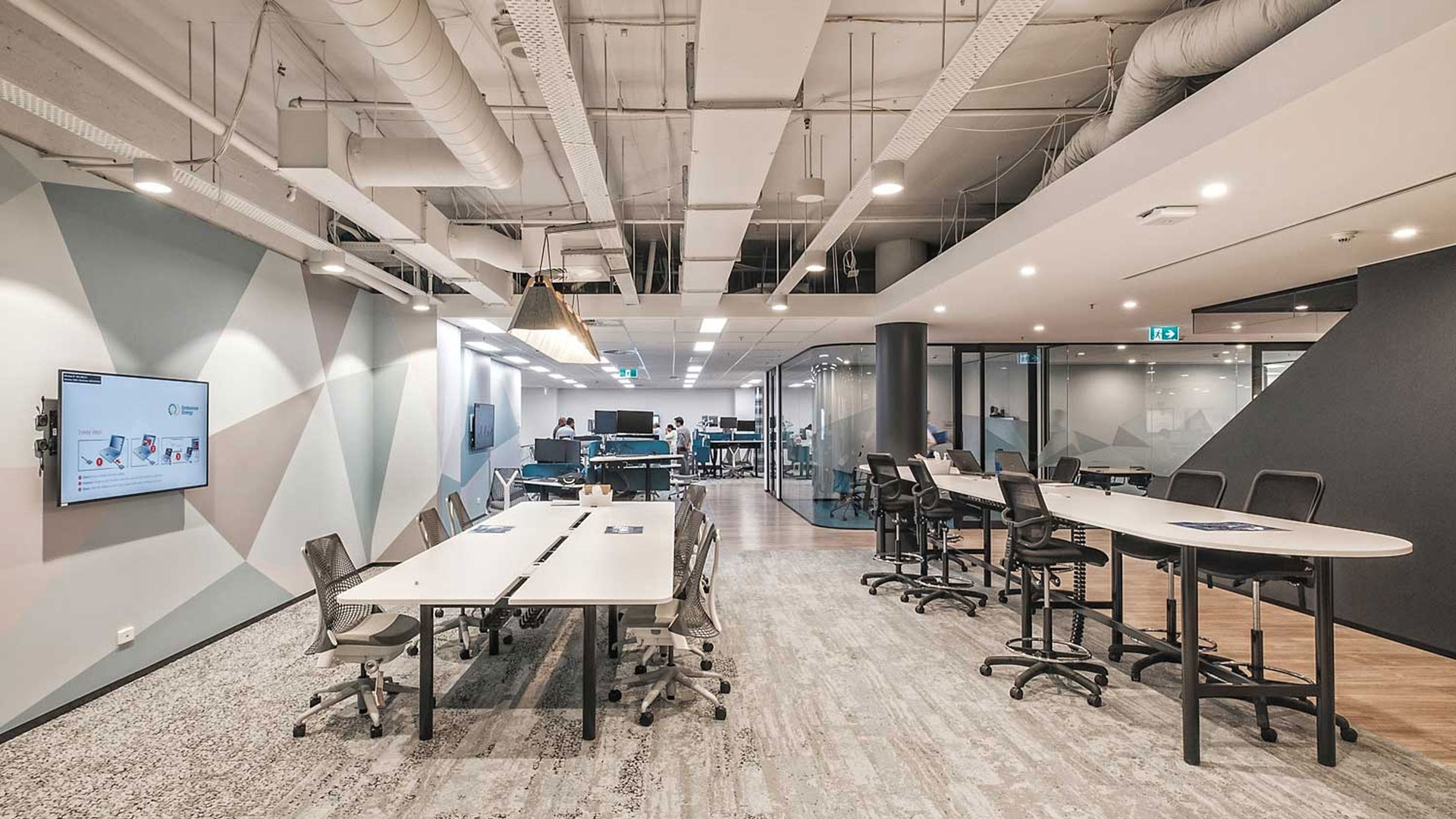
Fix: Build in flexibility. Modular furniture, benching systems and hot-desk zones help accommodate growth without major rework.
Every office is different. What works in one project may not suit another team’s culture or workstyle.
Tip: Ask your supplier for samples or trial setups. Get feedback from real users, especially when specifying new furniture types or layouts.
Australian workplaces must comply with accessibility and safety standards. That includes desk heights, clearance zones and workstation access.
Mistake: Sourcing furniture that looks great online but doesn’t meet local compliance requirements.
Solution: Partner with local suppliers who understand Australian codes and can guide you on compliant configurations.
You’ve ordered the furniture, but who’s assembling it? Poor installation can delay your project and compromise the outcome.
Tip: Confirm your supplier offers full delivery and installation services. Ideally, they’ll coordinate with your builder or project manager to ensure everything lands on time, in the right spot.
Too many furniture types across different zones can lead to visual clutter, inconsistent finishes and harder maintenance.
Fix: Keep your palette tight. Choose a core range of finishes and forms that work across open plan, meeting and breakout spaces. Then layer in just a few hero pieces.
Furniture is one of the biggest influences on how a workspace functions and feels. If it’s left too late or left to chance, the entire fitout suffers.
Best practice: Involve your furniture supplier early. A good partner can advise on layouts, timelines, lead times and potential cost saving, all while helping bring the design vision to life.
A successful fitout is a blend of planning, design and execution. Getting the furniture right isn’t just about good taste, it’s about function, comfort, longevity and performance. Avoiding these common mistakes can save you time, money and a lot of frustration down the track.
Need help with an upcoming fitout?
Talk to RJ Office about tailored commercial furniture solutions, from design consultation through to delivery and installation.